Product details description
Wastewater treatment plants are among the most corrosive environments
imaginable, filled with hydrogen sulfide gas, acidic runoff, and constant
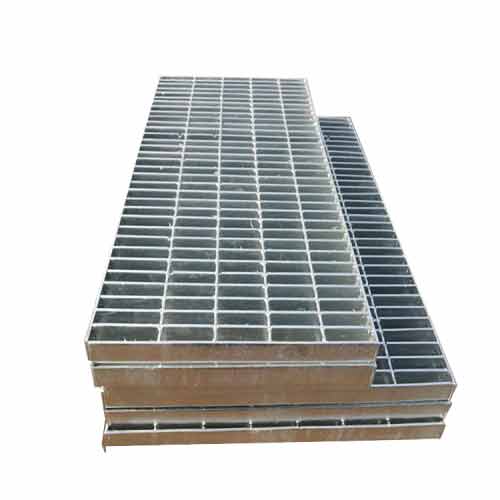
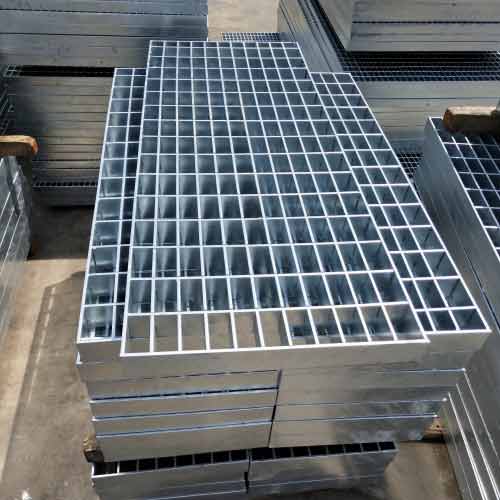
moisture. Galvanized steel grating is the preferred material for walkways,
platforms, and drainage covers in these facilities because it offers a high
strength-to-weight ratio and inherent corrosion resistance. The hot-dip
galvanization process coats the steel in a layer of zinc that acts as a physical
barrier and a cathodic protector, meaning it sacrifices itself to corrode before
the steel substrate does. This is crucial in areas where maintenance access is
difficult and structural failure could lead to catastrophic leaks or
downtime.
However, standard galvanization has limits in the aggressive atmosphere of
a digester tank or chemical dosing area. The zinc layer reacts with sulfur
compounds in the air to form zinc sulfide, which can eventually flake off,
exposing the steel. To combat this, "duplex" systems are often used, where the
steel is galvanized and then coated with a heavy-duty epoxy or polyurethane
paint system. This dual-layer approach combines the toughness of the zinc with
the chemical resistance of the polymer. The epoxy topcoat is specifically
formulated to resist immersion in raw sewage and resist abrasion from heavy foot
traffic and cleaning equipment.
The design of the grating itself plays a role in longevity. Serrated
bearing bars are preferred over plain bars because they provide better slip
resistance, reducing the need for aggressive cleaning that might damage the
coating. Additionally, the spacing of the cross-rods is critical; closer spacing
distributes heavy loads (like pumps or chemical drums) more evenly, preventing
point-loading that can crack the zinc coating. In areas with high vehicular
traffic, heavy-duty grating capable of supporting forklifts is required, and the
galvanizing thickness must be increased to at least 80 microns to withstand the
impact and vibration.
Maintenance in these plants is a delicate balance. While galvanized steel
is low-maintenance, it is not "no-maintenance." Regular washing with
high-pressure fresh water is required to remove corrosive sludge and salt
buildup that can trap moisture against the metal. If the coating is damaged by
welding sparks or impact during repairs, it must be immediately touched up with
a cold-galvanizing compound (zinc-rich spray) to restore the protective circuit.
Inspections should focus on weld points and cut edges, as these are the first
areas to show red rust.
Furthermore, the environmental impact of using galvanized steel is a
consideration. Zinc is a heavy metal, and while it is naturally occurring,
runoff from galvanizing plants is strictly regulated. However, in the context of
a wastewater plant, the long lifespan of galvanized grating (often 30-50 years)
outweighs the initial environmental cost of production compared to shorter-lived
alternatives like painted carbon steel or aluminum, which may require more
frequent replacement and generate more industrial waste over the facility's
lifecycle.
Previous article:
How to Choose the Right Galvanized Steel Grating for Industrial Flooring
Next article:
Hot-Dip Galvanized Steel Grating: Zinc Coating Thickness and Long-term Durability