Product details description
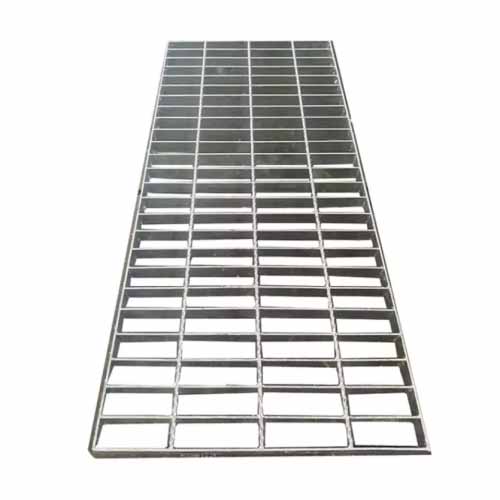
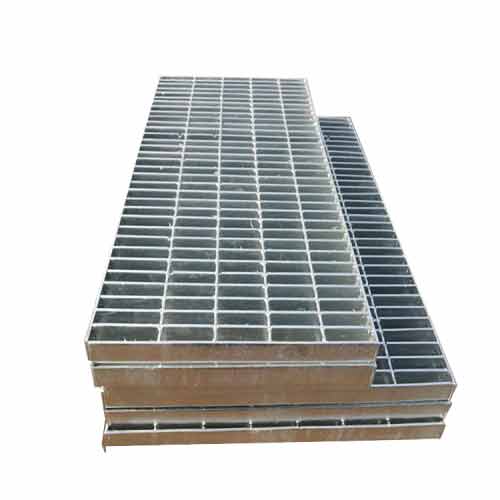
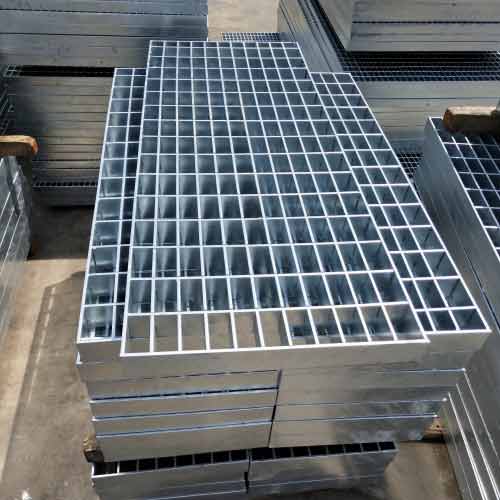
Hot-dip galvanized steel grating provides durable, slip-resistant flooring
solutions for industrial platforms, walkways, stairs, and other applications
requiring the combination of structural strength, drainage capability, and
corrosion resistance that galvanized steel grating delivers. The galvanization
process creates protective zinc coatings that extend grating service life in
demanding environments where exposure to moisture, chemicals, and other
corrosive elements would rapidly degrade unprotected steel. Understanding
coating thickness specifications, quality verification methods, and the
relationship between coating characteristics and long-term performance enables
engineers, specifiers, and facility managers to select and maintain galvanized
grating systems that provide reliable service throughout their design life. The
widespread use of galvanized steel grating across industrial, commercial, and
infrastructure applications reflects the proven performance of this material in
challenging service conditions.
Coating thickness specifications for hot-dip galvanized steel grating are
established by industry standards including ASTM A123 for structural steel
products and ASTM A385 for galvanized coatings on hardware, with minimum coating
weights and thickness requirements varying based on material thickness and
application requirements. The galvanization process for grating involves
immersing fabricated steel components in molten zinc, with coating thickness
determined primarily by the steel thickness, immersion time, and zinc bath
composition. Typical coating thicknesses for galvanized grating range from 2.5
to 4.0 mils (65 to 100 microns) for standard commercial products, with heavier
coatings available for severe service applications requiring extended corrosion
protection. The relationship between coating thickness and service life is
approximately linear in most environments, with twice the coating thickness
providing approximately twice the corrosion protection before maintenance
intervention is required.
Quality verification of galvanized coating thickness employs magnetic
thickness measurement devices that provide non-destructive assessment of coating
weight at multiple locations across each grating panel. ASTM standards specify
minimum measurement frequencies and acceptance criteria that ensure
representative coating coverage across the entire grating surface. Measurements
should be taken at multiple locations including bearing bar surfaces, cross bar
surfaces, and cut edges where coating thickness may differ from the main
surfaces. Visual inspection supplements thickness measurement, with standards
specifying requirements for coating appearance including uniformity, freedom
from defects, and adequate coverage of all surfaces including welds, edges, and
areas around attachments. Non-conforming coating quality may require repair
using zinc-rich paints or other approved methods to achieve specified protection
levels.
Long-term durability of galvanized steel grating depends on environmental
exposure conditions, coating maintenance, and design factors that influence
corrosion rates and service life expectations. Industrial environments with high
humidity, chemical exposure, or pollution create more aggressive corrosion
conditions than rural or suburban settings, reducing expected service life
between maintenance interventions. The zinc coating provides sacrificial
protection that continues to protect base steel even in areas where coating
thickness has been reduced, though the rate of coating consumption accelerates
as thickness decreases. Maintenance painting of galvanized surfaces can extend
service life by providing additional barrier protection in severe environments,
though surface preparation requirements and coating compatibility must be
carefully considered for successful results. Regular inspection of galvanized
grating installations identifies developing corrosion issues before they
progress to levels that compromise structural integrity or safety.
Previous article:
Galvanized Steel Grating in Wastewater Treatment Plants: Corrosion Prevention
Next article:
Galvanized Welded Steel Grating - Superior Strength & Stability