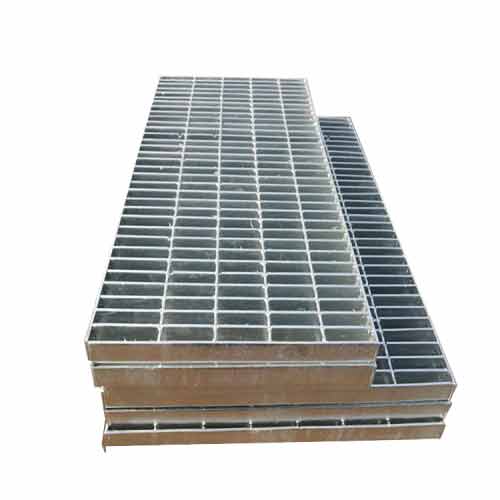
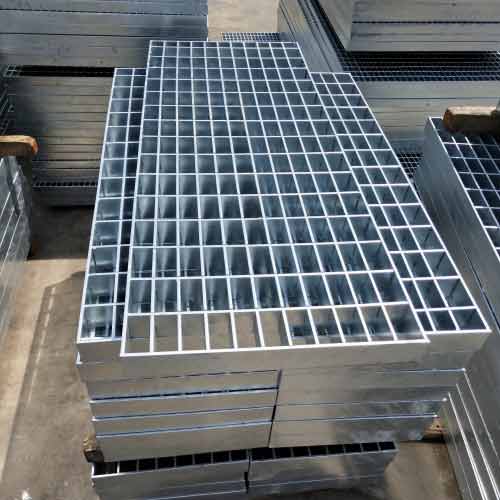
Product details description
Steel grating is a versatile structural material composed of parallel
load-bearing bars and cross bars welded or locked together, widely used in
industrial, commercial, and infrastructure projects. It is available in two
primary categories: heavy-duty and light-duty steel grating, each designed to
meet specific load requirements and application conditions. The key distinction
between the two lies in their material thickness, bar spacing, and load-bearing
capacity. Heavy-duty steel grating is engineered to withstand high loads, heavy
foot traffic, and harsh environmental conditions, while light-duty grating is
designed for lighter loads and less demanding applications. Selecting the
appropriate type of steel grating is critical to ensuring structural safety,
performance, and cost-effectiveness.
Heavy-duty steel grating is characterized by its thick load-bearing bars
(typically 6 mm or thicker), narrow bar spacing (usually 20 to 40 mm), and high
carbon steel or alloy steel construction. These features give it exceptional
load-bearing capacity, allowing it to support heavy machinery, vehicles, and
large volumes of foot traffic. Common applications of heavy-duty steel grating
include industrial plant floors, factory walkways, loading docks, bridge decks,
and offshore platforms. In these applications, the grating must not only support
static and dynamic loads but also resist corrosion, abrasion, and impact. To
enhance durability, heavy-duty grating is often hot-dip galvanized or painted
with corrosion-resistant coatings, and it may feature additional reinforcement
such as thicker cross bars or welded connections for added strength.
Light-duty steel grating, by contrast, has thinner load-bearing bars
(typically less than 6 mm), wider bar spacing (40 to 100 mm), and is often made
from mild steel or stainless steel. Its design is optimized for lighter loads,
such as pedestrian traffic, small equipment, or decorative applications. Common
applications of light-duty steel grating include commercial building walkways,
stair treads in office buildings, ventilation grilles, and decorative fencing.
Light-duty grating is also preferred for applications where weight is a concern,
such as elevated platforms or temporary structures, as it is lighter and easier
to install than heavy-duty grating. Despite its lighter construction, light-duty
grating still offers good durability and can be treated with galvanization or
powder coating to improve corrosion resistance.
When selecting between heavy-duty and light-duty steel grating, several
application-specific criteria must be considered. The first and most important
criterion is the expected load, including both static loads (e.g., the weight of
equipment or materials) and dynamic loads (e.g., the impact of moving vehicles
or foot traffic). Engineers must calculate the maximum load the grating will
need to support and select a grating with a load-bearing capacity that exceeds
this value to ensure safety. The second criterion is the application
environment; harsh environments such as industrial plants, coastal areas, or
chemical facilities require corrosion-resistant grating, which may influence the
choice of material (e.g., stainless steel for light-duty, alloy steel for
heavy-duty) and coating. The third criterion is the intended use, such as
whether the grating is for walkways, stair treads, or flooring, as each
application has specific requirements for slip resistance, open area, and
aesthetics.
Cost-effectiveness is another important factor in the selection process.
Heavy-duty steel grating is typically more expensive than light-duty grating due
to its thicker material and more complex manufacturing process. However, using
light-duty grating in an application that requires heavy-duty performance can
lead to premature failure, costly repairs, and safety hazards. Conversely, using
heavy-duty grating in a light-duty application can result in unnecessary
expenses. To achieve optimal cost-effectiveness, it is essential to match the
grating type to the specific requirements of the application. Additionally,
factors such as installation cost, maintenance requirements, and lifespan should
be considered, as a higher initial investment in heavy-duty grating may be
offset by lower maintenance costs and a longer lifespan in harsh environments.
By carefully evaluating these selection criteria, engineers and project managers
can choose the right steel grating for their application, ensuring safety,
performance, and value.
Previous article:
Industrial Platform Grating Systems
Next article:no more