Product details description
Steel grating is a fundamental component in industrial flooring, walkways,
and drainage covers, providing strength and safety in heavy-duty environments.
When selecting steel grating, the choice of material—typically stainless steel
or galvanized steel—is critical for performance. The decision largely hinges on
the environment in which the grating will be installed, particularly regarding
exposure to corrosive chemicals and the desired maintenance schedule.
Understanding the differences in chemical resistance and upkeep between these
two materials is essential for ensuring long-term durability.
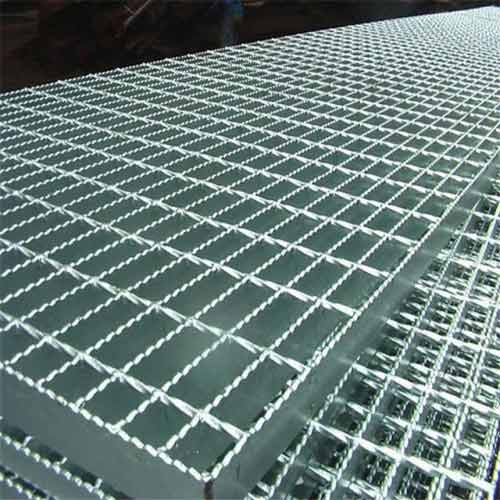
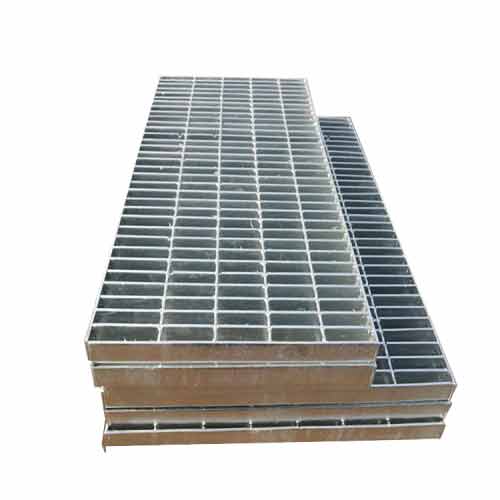
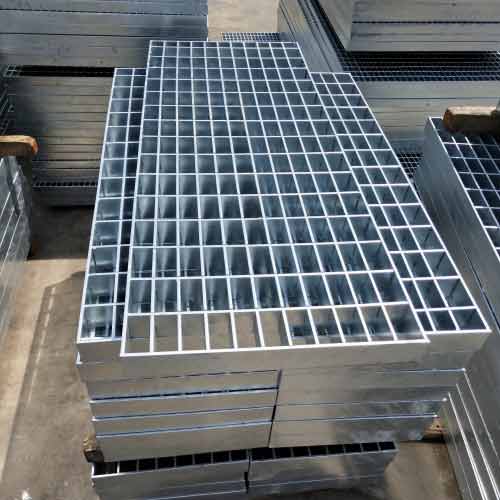
Galvanized steel grating is created by coating standard carbon steel with a
layer of zinc through a hot-dip process. This zinc coating provides a
sacrificial layer of protection against rust and mild corrosion, making it a
cost-effective choice for many industrial applications. In environments where
the exposure to chemicals is minimal or where the atmosphere is relatively dry,
galvanized grating performs well. It offers excellent structural strength at a
lower price point. However, if the zinc coating is scratched or exposed to
highly corrosive agents like strong acids or alkalis, the underlying steel can
rust rapidly.
In contrast, stainless steel grating is manufactured from alloys that
contain chromium, which forms a passive oxide layer on the surface of the metal.
This layer provides superior resistance to a wide range of corrosive substances,
including acids, alkalis, and chlorides found in harsh chemical processing
plants or marine environments. Stainless steel grating does not rely on a
coating that can chip or wear away; its corrosion resistance is inherent to the
metal itself. This makes it the premier choice for industries where hygiene and
chemical resistance are non-negotiable, such as food processing,
pharmaceuticals, and offshore drilling.
When it comes to maintenance, stainless steel grating generally requires
less attention over its lifespan compared to galvanized steel. Because it does
not rust easily, it does not require periodic painting or re-galvanizing to
maintain its structural integrity or appearance. Routine cleaning to remove
surface deposits is usually sufficient. Galvanized grating, while durable, may
require regular inspections for signs of "white rust" or coating failure,
especially in corrosive environments. If the zinc layer is compromised, the
grating must be repaired or replaced sooner than a stainless steel equivalent,
leading to higher long-term maintenance costs.
In conclusion, the choice between stainless steel and galvanized steel
grating depends on a balance of budget, environmental exposure, and maintenance
capacity. For projects with limited chemical exposure and tighter budgets,
galvanized steel offers a robust and economical solution. However, for
environments with aggressive chemicals, high moisture, or strict sanitary
standards, stainless steel is the superior investment. By carefully evaluating
the specific chemical risks and maintenance requirements, engineers can select
the grating material that provides the safest and most cost-effective solution
for their facility.
Previous article:
Industrial Steel Grating Load Capacity
Next article:
Industrial Platform Grating Systems