Product details description
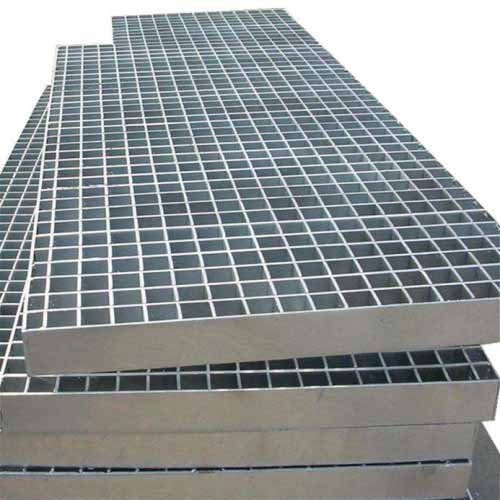
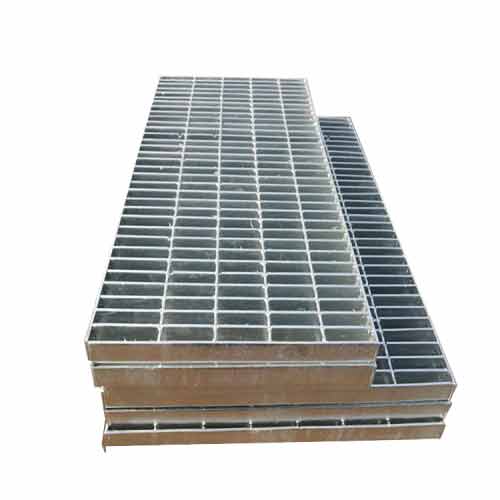
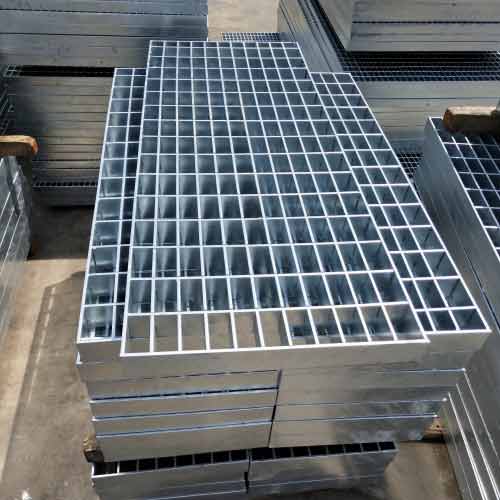
Steel grating is a ubiquitous solution for industrial drainage, offering a
high strength-to-weight ratio and excellent load-bearing capacity for walkways
and trench covers. However, its primary function in drainage applications is to
allow water to pass through while capturing debris and supporting heavy foot or
vehicle traffic. The design of the grating—specifically the spacing of the
bearing bars and the cross bars—dictates the hydraulic efficiency of the system.
If the open area is too small, water will pool on the surface, creating a slip
hazard and increasing the dead load on the structure. Conversely, if the open
area is too large, the grating may lack the structural rigidity to support heavy
forklifts or trucks.
The flow pattern of water across a grated surface is influenced by the
orientation of the bars. Standard grating has bearing bars running parallel to
the flow direction, which minimizes resistance to water movement. However, in
areas with heavy sediment load, transverse bars (perpendicular to flow) can trap
debris, creating a dam effect. To mitigate this, "I-bar" or "serrated" surfaces
are used. The serrations increase surface friction for pedestrian safety but
also create micro-turbulence that helps keep solids in suspension, allowing them
to wash through the openings rather than settling on top of the bars. For
high-volume drainage pits, the grating is often set at an angle or recessed to
create a sump effect, directing water toward a catch basin.
Corrosion prevention is the single most critical factor in the lifecycle of
steel drainage grating. In wastewater environments, steel is susceptible to both
uniform corrosion and pitting caused by hydrogen sulfide gas and acidic pH
levels. The industry standard for protection is hot-dip galvanization according
to ASTM A123, which coats the steel in a layer of zinc. This coating provides
cathodic protection, meaning that even if the coating is scratched, the zinc
will corrode preferentially to the steel. For extreme environments, such as
chemical plants or marine terminals, epoxy coatings or polymer concrete overlays
are applied over the galvanization to provide a physical barrier against
aggressive chemicals.
The choice of bar spacing and depth is also a corrosion management
strategy. Deeper bearing bars (higher gauge) last longer because it takes more
time for corrosion to penetrate to the structural core. A common specification
for heavy-duty drainage is 1-1/2 inch x 3/16 inch bearing bars spaced 1-3/16
inches apart on center. This configuration provides a high percentage of open
area (over 70%) while maintaining strength. However, in corrosive atmospheres,
welded joints are preferred over pressure-locked (swage-locked) gratings.
Pressure-locked gratings rely on mechanical friction to hold the bars in place,
which can fail if the steel corrodes and expands. Welded gratings create a
monolithic structure that is less likely to disassemble even if the material
degrades.
Maintenance accessibility is often overlooked in the design phase. Drainage
grates must be removable for cleaning the sumps and pipes underneath. Hinged
grating systems or lifting lugs integrated into the design allow maintenance
crews to access the drainage infrastructure without heavy machinery.
Furthermore, the use of non-sparking aluminum or stainless steel gratings is
mandated in oil refineries or grain elevators where flammable dust or vapors are
present. In these hazardous locations, a steel grating dropping a tool could
create a spark capable of igniting an explosion, making material selection a
matter of life safety, not just durability.
Finally, the integration of the grating with the surrounding concrete or
masonry is vital. The support bracket (angle iron) must be heavy enough to
prevent deflection under load. The grating should be set back slightly from the
edge of the concrete trench to prevent chipping during impact. Expansion joints
are required in long runs of grating to accommodate thermal expansion of the
steel, which can be significant in outdoor environments with temperature
fluctuations. By balancing hydraulic efficiency, structural load ratings, and
aggressive corrosion protection, steel grating drainage systems can provide
decades of reliable service in the harshest industrial environments.
Previous article:
The Benefits of Using Galvanized Steel Grating in Outdoor Infrastructure
Next article:
Custom-Sized Galvanized Steel Grating - Tailored to Project Specifications