Industrial Strength and Safety with Durable Metal Grating
Release time:2026-01-31 Click:16
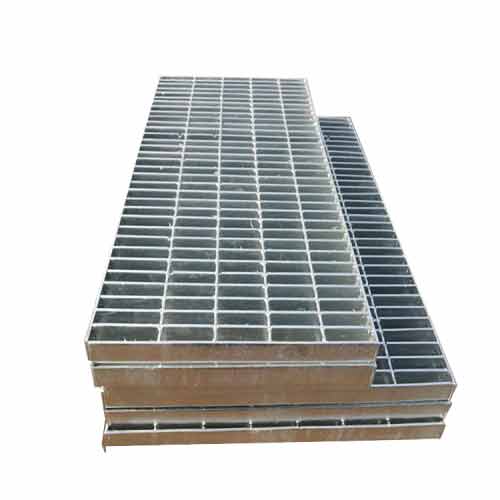
Metal grating is a framework of parallel bars and crossbars used extensively in industrial, commercial, and architectural applications. Commonly fabricated from steel, aluminum, or stainless steel, this grid-like structure provides a high-strength surface that allows for the passage of light, air, and fluids. Metal grating is frequently found in flooring systems, walkways, drainage covers, and industrial platforms. Its open design makes it self-cleaning, as debris falls through the gaps, which is a critical advantage in harsh environments where safety and slip resistance are paramount.
The manufacturing process of metal grating involves welding, pressing, or locking the bars together to create a rigid and durable panel. For heavy-duty industrial uses, steel grating is often hot-dip galvanized to prevent rust and corrosion, extending its lifespan even under extreme conditions. Aluminum grating is preferred where weight is a concern, as it offers a high strength-to-weight ratio and natural corrosion resistance. The choice of metal depends on the specific application, such as chemical plants, offshore oil rigs, or pedestrian walkways, each requiring different levels of durability and load-bearing capacity.
In addition to its functional benefits, metal grating can be customized aesthetically for architectural projects. Architects often use metal grating in facades, sunshades, and screens to create a modern, industrial look while allowing for ventilation and transparency. Serrated grating options provide extra slip resistance for safety in oily or wet environments. Whether used to cover a vast industrial floor or to create a striking design element in a building, metal grating combines utility with durability, making it an indispensable material in engineering and construction.
Previous article:Industrial Safety and Durability with Floor Steel Grating
Next article:Enhancing Drainage Safety with a Durable Manhole Cover Bar Grating
Hot products
Mobile: +86 15097722953
Email:metalproducts2021@163.com
Email:1755383270@qq.com