Galvanized Steel Walkway Grating Systems
Release time:2026-02-08 Click:11
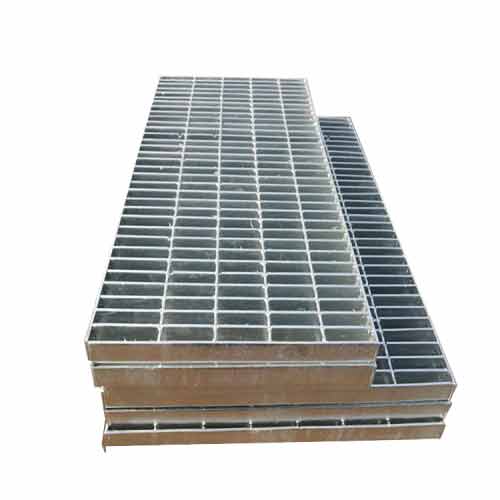
In industrial and commercial settings, the galvanized steel walkway grating is a fundamental component of safe infrastructure, providing non-slip traction and structural integrity for elevated platforms, mezzanines, and outdoor walkways. Manufactured by welding load-bearing bars to cross-rods, these grids allow water, snow, and debris to pass through, preventing the accumulation of hazardous slush or ice. The hot-dip galvanization process coats the steel in a layer of zinc that sacrifices itself to protect the underlying metal from rust, making it ideal for environments ranging from chemical plants to marine docks. This corrosion resistance ensures that the walkway remains safe and load-bearing for decades without the need for constant repainting or replacement.
The load-bearing capacity of a galvanized steel walkway grating is determined by the spacing and thickness of the bearing bars. Standard spacing is usually 1-inch or 1.5-inch on center, with bar thicknesses ranging from 1/8 to 3/16 inch. For heavy-duty applications like truck scales or aircraft hangars, heavier bars and closer spacing are used to distribute point loads effectively. The surface is typically serrated (diamond-patterned) to maximize grip, even when wet or oily. This anti-skid property is crucial in factories where spills are common, significantly reducing the risk of slip-and-fall accidents. The open design also facilitates the inspection of the structure underneath, allowing maintenance crews to check for corrosion or damage to the support beams without removing the grating.
Installation of a galvanized steel walkway grating is efficient and modular. Panels are pre-fabricated in standard sizes (often 4x8 or 4x10 feet) and can be bolted or welded directly to the supporting steel framework. Because the panels are relatively lightweight compared to solid steel plates or concrete, they can be maneuvered into place by a small crew without heavy cranes. This reduces labor costs and installation time. For outdoor applications, the grating is often designed with specific clearances to allow for thermal expansion and contraction, preventing warping in extreme temperatures. Some systems feature interlocking designs that prevent panels from shifting or rattling under foot traffic, ensuring a quiet, solid feel.
Beyond safety and function, the galvanized steel walkway grating offers aesthetic and practical advantages in modern architecture. Exposed grating is often used in loft-style offices and public buildings to create an industrial-chic look, exposing the structural bones of the building while maintaining functionality. The silver-grey finish of the galvanization complements stainless steel and glass elements. In landscaping, it is used for boardwalks over wetlands or bridge decks, where its transparency allows light to reach the vegetation below, unlike solid decking which can create dark, damp microclimates. It is also an excellent choice for catwalks in theaters or lighting grids, where airflow and visibility are as important as structural support.
Maintenance of a galvanized steel walkway grating is minimal but essential for longevity. While the zinc coating protects against rust, it can be compromised by mechanical damage (scratches from dropped tools) or prolonged exposure to acidic runoff. Regular inspections should look for white rust (zinc corrosion products) which, if left unchecked, can lead to red rust on the steel substrate. Cleaning is simple; a pressure washer can remove grime and salt buildup, restoring the appearance. If damage occurs, touch-up paint containing zinc-rich primer can be applied to the affected area. In extremely aggressive environments, such as wastewater treatment plants, the grating may need to be replaced after 20-30 years, but in typical atmospheric conditions, it can easily last 50 years or more, making it one of the most cost-effective flooring solutions available.
Previous article:Heavy-Duty Workshop Galvanized Steel Grating
Next article:Ensuring Safety and Durability with Industrial Floor Steel Grating
Hot products
Mobile: +86 15097722953
Email:metalproducts2021@163.com
Email:1755383270@qq.com